
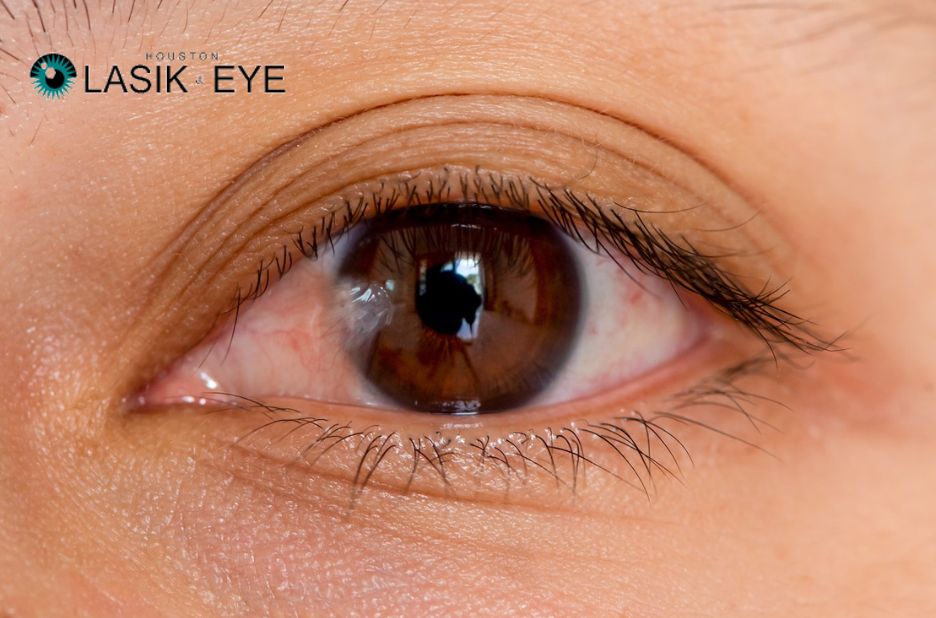
Understanding Pterygium and Its Impact
A pterygium is a benign growth of the conjunctiva that extends onto the cornea. Often referred to as “surfer’s eye,” it is commonly caused by prolonged exposure to ultraviolet light, dust, and wind. While it may start as a small, harmless lesion, a growing Eye Surgery Pterygium Removal pterygium can interfere with vision, cause discomfort, redness, and irritation. In advanced cases, it can distort the cornea, resulting in astigmatism and vision impairment. Understanding these effects is crucial in recognizing the importance of timely treatment.
When to Consider Treatment for Pterygium
Many individuals with a mild pterygium may not require immediate treatment and can manage symptoms with lubricating eye drops and protective eyewear. However, when the growth causes significant irritation, chronic inflammation, or threatens central vision by encroaching on the pupil, surgical intervention Surgery for pterygium becomes necessary. It is also important to treat a pterygium that affects a person’s cosmetic appearance or causes recurrent redness and discomfort. Timely consultation with an ophthalmologist is essential to determine the appropriate course of action.
Overview of Surgical Options
Surgery for pterygium is the most effective way to remove the growth and restore eye health and vision. Various surgical techniques exist, including simple excision, conjunctival autograft transplantation, and amniotic membrane grafts. The choice of procedure depends on the size, location, and severity of the pterygium, as well as the patient’s overall eye health. Successful surgery aims to remove the lesion completely while minimizing the risk of recurrence and complications.
What to Expect During Surgery
Eye Surgery Pterygium Removal is typically performed on an outpatient basis under local anesthesia. The surgeon carefully excises the pterygium and removes any affected tissue from the cornea. Depending on the technique, a graft from the patient’s own conjunctiva or an amniotic membrane may be placed to cover the affected area, promoting healing and reducing the chance of regrowth. The procedure usually lasts between 30 and 60 minutes and is generally painless due to anesthesia.
Recovery and Postoperative Care
Following surgery, patients can expect some redness, irritation, and mild discomfort, which usually resolve within a few days. Eye drops, including antibiotics and anti-inflammatory medications, are prescribed to prevent infection and control inflammation. It is important to avoid rubbing the eye, strenuous activities, and exposure to irritants during the healing period. Regular follow-up visits with the surgeon ensure proper recovery and timely management of any complications.
Risks and Potential Complications
While Eye Surgery Pterygium Removal is generally safe, there are risks associated with any surgical procedure. Potential complications include infection, scarring, graft displacement, and recurrence of the pterygium. Recurrence rates vary depending on the surgical technique used, with conjunctival autograft methods showing lower recurrence. Patients should discuss these risks thoroughly with their surgeon and follow all postoperative instructions carefully to minimize complications.
Benefits of Choosing Expert Care
Selecting a skilled and experienced eye surgeon is vital for achieving the best outcomes in pterygium removal. Expert surgeons understand the nuances of different surgical techniques and tailor treatment based on individual patient needs. By choosing a reputable eye surgery center, patients can benefit from advanced technology, comprehensive preoperative evaluation, and personalized postoperative care, all of which contribute to improved vision, comfort, and quality of life.
Conclusion
Eye Surgery Pterygium Removal offers an effective solution for those struggling with this common yet potentially vision-threatening condition. With proper diagnosis, surgical expertise, and diligent aftercare, patients can experience significant relief and restored vision. If you are searching for a Houston eye surgery center for pterygium removal, look no further than ouston Lasik & Eye. Our experienced surgeons are dedicated to helping you regain clear vision and eye health. Keep in touch with us for more information and expert care tailored to your needs.