
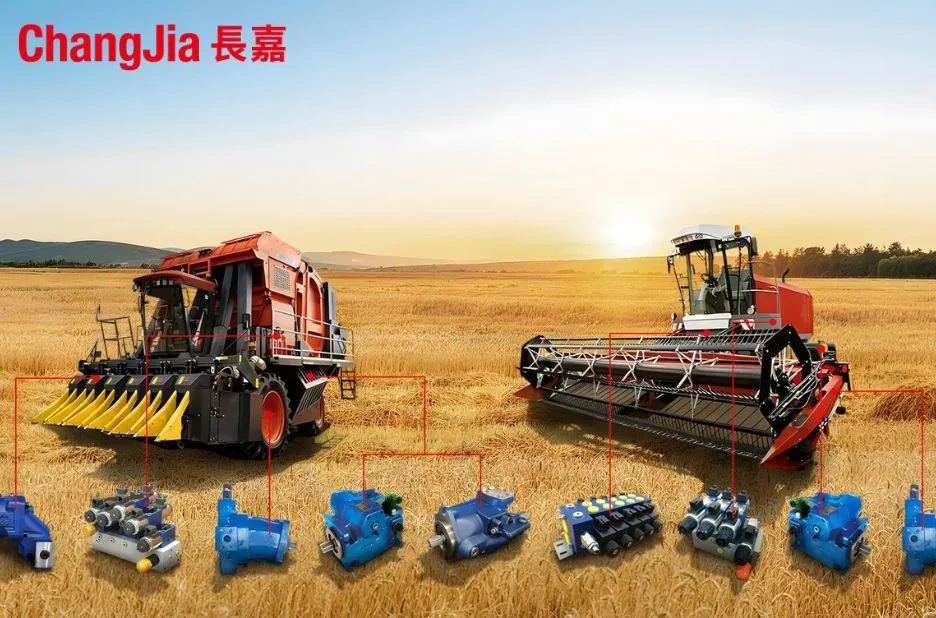
Introduction to Hydraulic Pump Technologies
Hydraulic systems rely heavily on pumps to transfer fluid and generate the necessary pressure to operate machinery. Among the various types of hydraulic pumps, gear pumps and piston pumps are gear pump two of the most commonly used. Understanding their functions, advantages, and typical applications is essential for selecting the right pump for a specific hydraulic system.
How Gear Pumps Operate
A gear pump operates by using the meshing of gears to pump fluid by displacement. The fluid is trapped between the teeth of the gears and the pump casing, then moved from the pump’s inlet to its outlet. Gear pumps are piston pump known for their simplicity, durability, and ability to handle high-viscosity fluids. They provide a steady, pulseless flow and are widely used in various industrial applications including lubrication systems, chemical processing, and hydraulic power units.
Comparing Gear Pumps and Piston Pumps
While gear pumps deliver consistent flow and are simpler in design, piston pumps function differently by using pistons driven by a cam or swashplate to move fluid. Piston pumps generally offer higher efficiency and can handle higher pressures, making them suitable for heavy-duty applications that require precise control and variable displacement. However, piston pumps tend to be more complex and expensive than gear pumps. The choice between these two depends on factors like pressure requirements, fluid type, system design, and budget.
Conclusion
Choosing between a gear pump and a piston pump depends on the specific needs of the hydraulic system. Gear pumps provide reliable, cost-effective solutions for moderate pressure applications with consistent flow, while piston pumps are better suited for high-pressure environments requiring advanced control. For those seeking quality hydraulic components, ChangJia Hydraulic offers a range of pumps designed to meet diverse industrial demands, ensuring both performance and durability.