
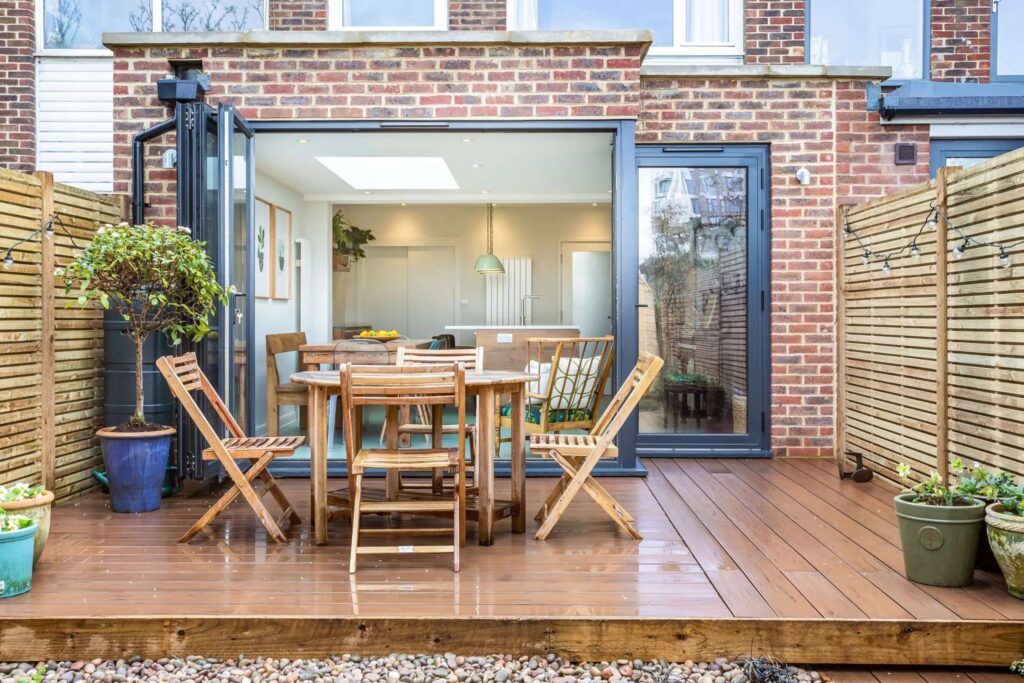
What a buyer should know before choosing a refurbishment
When you’re planning a purchase, a refurbishment can turn a tired property into a comfortable home that feels cared for rather than “work in progress.” Buyers often look for evidence that the layout, finishes, and services have been upgraded in a sensible order, because rushed cosmetic changes can hide bigger problems. A practical buyer-intent approach is to ask Property Refurbishment in West Bromwich how the work will affect everyday living, including heating efficiency, sound insulation, and the usability of key rooms like kitchens and bathrooms. If you’re considering a property in the West Bromwich area, it helps to focus on improvements that reduce future maintenance costs as well as enhance visual appeal.
Start by identifying what type of property you’re buying and what risks are most likely for that build style. Older homes may need attention to damp management, ventilation, and electrical safety, while more modern homes can still require cosmetic updates or upgrades to windows and insulation. Request a clear scope of works that separates structural items from surface finishes so you can judge value accurately. A credible refurbishment plan should also explain how waste is managed, how dust control is handled, and how trades are sequenced to prevent rework.
High-impact renovation upgrades that improve value and comfort
Some improvements deliver stronger buyer confidence than others because they address how the home performs, not just how it looks. Heating and insulation upgrades are usually top priorities, since they influence energy bills and comfort in colder months. Buyers also tend to reward well-designed kitchens eco friendly home renovation Moseley and bathrooms where storage, lighting, and plumbing layout have been thought through. If you’re evaluating a refurbishment, look for details like ventilation fans, correctly rated shower systems, and durable surfaces that will stand up to day-to-day use.
Layout changes can be valuable when they make a home feel more functional, but they should be justified with sensible reasoning. For example, opening up a dark corridor into a brighter hallway, or improving the flow between dining and kitchen spaces, can increase perceived space even when the floor area remains the same. It’s also worth checking that windows and doors are upgraded to improve draft resistance and security. Where possible, choose finishing materials that are easy to maintain, such as high-quality plaster systems, moisture-resistant boards in wet areas, and flooring that can handle occasional spills without staining.
Another high-impact factor is the quality of workmanship around edges and transitions. A buyer can often “feel” a renovation that was carried out carefully through straight tiling lines, even skirting boards, properly sealed glazing, and tidy finishing at skirting and architraves. These details matter because they suggest the property has been prepared properly for long-term use. When you’re assessing options, ask how walls are made ready for paint or wallpaper, and whether surfaces are treated for cracks, damp, or unevenness before decoration begins. This is where professional guidance can help you avoid future regret.
Finally, consider the cumulative effect of multiple smaller upgrades. LED lighting, smart heating controls, and improved insulation around loft hatches or service penetrations can be more effective together than a single headline change. Buyers also appreciate clear documentation that confirms what has been replaced and when, especially for key components like electrics, plumbing, and heating systems. A structured refurbishment keeps the home consistent and helps prevent “patchwork” improvements that can reduce buyer confidence during viewings.
Eco friendly home renovation choices with practical buyer benefits
Eco friendly home renovation decisions should be evaluated for both environmental impact and day-to-day performance. For many buyers, the most compelling value comes from measures that lower energy loss and improve comfort, such as upgraded insulation in lofts and solid walls where feasible. Window upgrades can also reduce drafts and noise transmission, helping the property feel calmer and more stable. When ventilation is improved alongside insulation, it reduces condensation risk and supports healthier indoor air quality.
Insulation and airtightness measures should be planned carefully, because the best results come from a balanced approach rather than isolated work. A well-prepared plan will consider ventilation routes, extract fans in bathrooms and kitchens, and appropriate sealing around service entry points. This is especially important in properties where occupants notice lingering damp smells or visible mould around colder areas. Ask how the refurbishment team will manage moisture, how they will test for airflow or condensation issues, and what materials they use to keep surfaces durable and breathable.
Energy efficiency can be strengthened further through sensible upgrades to lighting, controls, and hot water systems. LED downlights and well-positioned task lighting reduce electrical consumption while improving usability in kitchens, utility spaces, and work areas. Smart thermostats and time controls help a home run more efficiently, as long as they are installed with correct wiring and compatible heating systems. When a refurbishment is executed with these considerations in mind, it creates a home that feels modern without relying on fragile “trend” finishes.
For buyers researching a property, it also helps to understand how sustainable materials are chosen and where they are best applied. Low-VOC paints, responsibly sourced flooring, and moisture-resistant boards can contribute to better indoor conditions, particularly in rooms with higher humidity. If you’re comparing options, ask for clarity on what products are used and why they were selected for the property type. This level of transparency often signals a contractor with strong quality controls and a thoughtful approach.
Conclusion
A confident purchase decision is easier when a refurbishment plan is clear, targeted, and built around what buyers will notice during everyday living. Focus on upgrades that improve comfort, safety, and long-term maintenance outcomes, rather than only chasing surface-level changes. When eco-led improvements are combined with solid workmanship, the property tends to present better, feel more reliable, and reduce the chances of unexpected costs after completion.
If you want expert support in planning and delivering a renovation that aligns with buyer priorities, UK Home Improvements Ltd can help you navigate the process with practical, professional remodeling solutions. Their approach to property refurbishment work is designed to enhance both performance and appearance, including options that support an audience values. By choosing a structured scope of work and quality materials, you give yourself a stronger foundation for a purchase that feels ready, not temporary.