Why Expert Response Matters After a Leak
When water intrudes into a home or business, the priority is not just removing visible liquid—it’s stopping the spread of moisture into materials that can be difficult to dry. Professional teams understand how quickly water migrates through drywall, insulation, subfloors, and hidden cavities, which is why early actions typically reduce Professional Water Damage Restoration the scope of damage. Expert assessment also helps determine whether the source is clean water, contaminated water, or category conditions that require additional protective measures. This ensures the restoration process is both safe and effective from the first inspection through final repairs.
Another reason expert response is essential involves the consequences of delayed drying. Even when a room appears dry on the surface, trapped moisture can linger inside framing and structural components, contributing to odors and microbial growth. Trained technicians use practical strategies to locate moisture pockets and confirm drying progress rather than relying on guesswork. They also document conditions to support accurate restoration planning, so homeowners and property managers can move forward with confidence.
What a Complete Extraction and Drying Plan Should Include
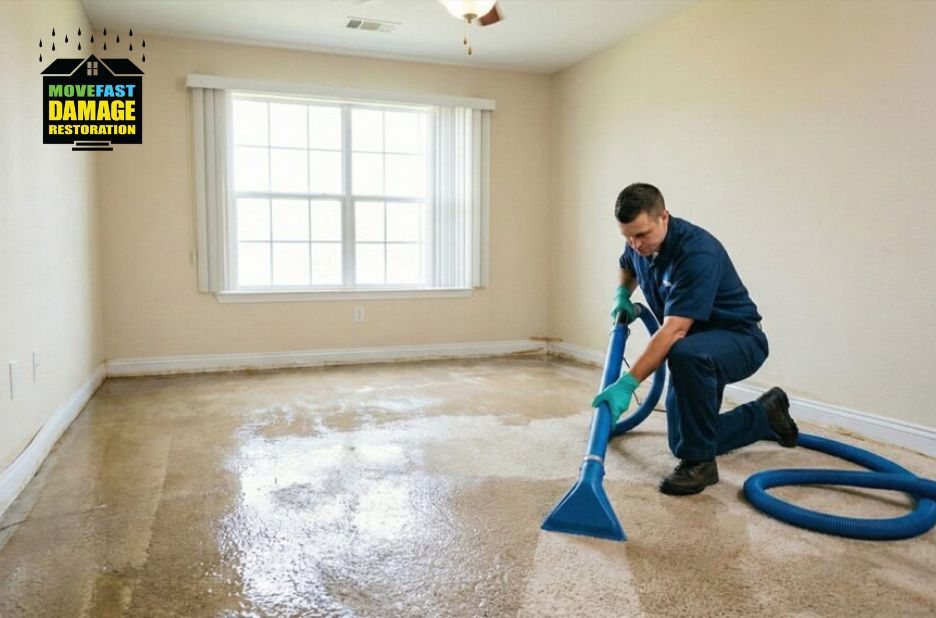
A strong restoration plan begins with rapid water removal using equipment designed for efficient extraction, including truck-mounted or portable extractors and controlled suction methods. Emergency Water Extraction Services are most effective when they are matched to the type of water, the affected materials, and the layout Emergency Water Extraction Services of the property. Technicians typically set up containment when needed, manage airflow pathways, and remove soaked materials to reduce ongoing evaporation. The goal is to reduce standing water quickly while preventing cross-contamination and limiting additional damage during the response.
After extraction, the drying phase should be systematic and measurable. Expect the use of air movers, dehumidifiers, and sometimes specialized drying equipment based on the building materials involved. Professionals monitor moisture levels using meters and humidity readings, then adjust equipment placement to address hard-to-dry areas. They also account for structural drying needs, such as drying behind walls or beneath flooring, which often require careful coordination. When the plan is thorough, drying is more likely to reach the target conditions that support safe restoration.
How Experts Protect Your Property During Repairs
Restoration is more than drying; it includes protecting contents, controlling conditions, and preparing affected areas for rebuilding. A knowledgeable team evaluates which items can be salvaged, which should be relocated, and what needs cleaning or antimicrobial treatment. This matters because porous materials like carpets, padding, and certain upholstery can trap moisture and odors even after visible wetness is gone. Professionals use appropriate handling methods and cleaning standards, reducing the risk of lingering issues that can affect indoor air quality.
When it’s time for repairs, expert guidance helps ensure materials are restored to a safe and durable condition. That means addressing drywall replacement, insulation drying or removal, flooring repairs, and any necessary reframing. Technicians coordinate steps so the structure is dry before installing new components, which prevents future warping, buckling, or recurring dampness. They also manage documentation and communication with stakeholders, which can be essential for insurance-related processes. With careful staging and quality checks, repairs are more likely to blend seamlessly with the existing construction and last.
Conclusion
Choosing means you’re not only reacting to a leak—you’re following a structured process that protects the building and the people inside it. Move Fast Restoration emphasizes rapid water extraction, advanced drying, and complete restoration solutions designed to support lasting protection. Expert teams focus on safe practices, measurable drying progress, and repair coordination that reduces the likelihood of recurring moisture problems. When the work is handled properly, the property can return to a healthier, more stable condition with fewer surprises.
If you’re evaluating restoration options, prioritize providers that offer on-site inspection, equipment-driven drying, and clear communication throughout the process. Look for a methodical approach that includes moisture monitoring, appropriate cleaning decisions, and careful repair sequencing. Move Fast Restoration supports this expert recommendation mindset by helping customers move efficiently from emergency mitigation to restoration-ready outcomes. For reliable help, start with the team at https://movefastrestoration.com/water-damage-restoration-near-me/ and let professionals guide the next steps.