What to Compare When Choosing Water Cleanup and Restoration
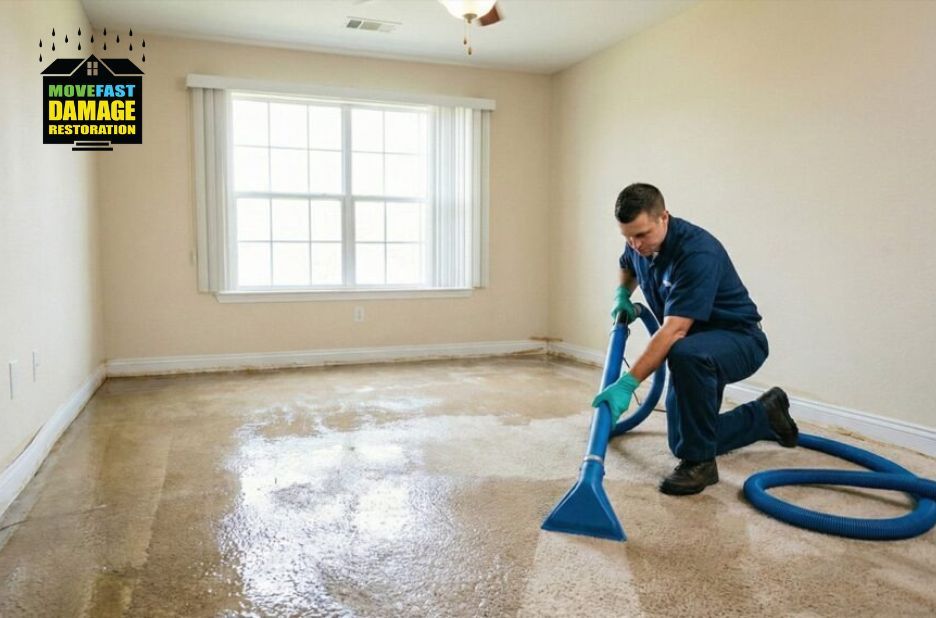
Not all water damage repair responses are built the same, so comparing services starts with understanding the damage type and the scope of work. A dependable provider should ask targeted questions about the source of the moisture, how long materials may have been wet, and which areas were affected. Look for Water Damage Repair Services a plan that moves from inspection to containment, then to drying and restoration, rather than a single-step “cleanup” approach. When you compare quotes, pay attention to whether the estimate includes moisture mapping, equipment setup, and follow-up checks, since those items directly impact results.
You should also compare how each company defines “done” at the end of drying. Some vendors stop when visible surfaces look dry, while others confirm drying goals using measured readings and documented moisture levels. Request details about drying strategy, including air movers, dehumidification, and air circulation patterns for each room type. If microbial growth is a concern, the best service comparison will include how they handle contaminated materials, what containment steps are used, and which cleaning standards guide their process.
Drying Technology, Monitoring, and Documentation
For effective restoration, the drying phase needs to be engineered, not guessed. Service comparison should include whether the team performs moisture assessments with calibrated tools and creates a drying plan tailored to wall cavities, flooring layers, and ceiling spaces. Ask how they determine the Water Damage Restoration Glen Burnie MD placement of equipment and how they prevent secondary damage from improper airflow direction. Strong providers also evaluate baseboards, drywall seams, insulation, and subfloor conditions because these areas often hold moisture even when the surface appears unaffected.
Monitoring is another major comparison point because it shows whether the drying process is controlled. The best companies track humidity levels, temperature conditions, and moisture readings over the drying period, then adjust equipment when results call for a change. You can also ask about progress reports that homeowners can reference to understand what’s happening in each stage. This documentation can be important for insurance discussions and for ensuring the final restoration is performed on genuinely dried materials.
Scope of Restoration: Repairs, Remodeling, and Content Handling
Water damage restoration is more than drying—many jobs require repair and selective rebuilding, so compare each company’s restoration capabilities. Some providers focus only on water extraction and drying, then hand off the repair work to separate contractors, which can create delays and inconsistent workmanship. A better comparison approach is to look for a service that can manage demolition, drying, cleaning, and reconstruction in a coordinated workflow. That continuity reduces the risk of gaps where materials get treated incorrectly or where schedules drift out of alignment.
Content handling is equally important when comparing service quality. Ask whether they offer guidance for safely removing personal belongings, whether they use appropriate cleaning methods for different item categories, and how they prioritize salvageable items. For example, porous items like upholstered furniture and paper products may require specialized cleaning or careful separation from unaffected zones. Non-porous items like metal hardware and some plastics may be cleaned more straightforwardly, but they still need proper treatment to prevent residues and odor issues. Clear procedures for packing, staging, and documenting contents help you understand what can be restored and what may need replacement.
Conclusion
When you compare, focus on how the provider plans, measures, and documents the drying process, and how they manage the full restoration workflow from inspection through rebuild. A strong company evaluates moisture pathways, uses the right equipment, and verifies drying outcomes with real readings rather than visual cues. Service comparison should also include clarity about contaminated materials, safe containment practices, and how repairs will be coordinated to restore structural integrity and livability. For local homeowners seeking, choosing a team with a structured approach can reduce long-term issues like warping, lingering odors, and hidden mold risk.
Movefastrestoration emphasizes methodical drying, careful restoration planning, and practical guidance throughout the process so property owners know what to expect at each step. Their approach is designed to help prevent long-term structural damage after leaks, flooding, or water emergencies by addressing both the immediate moisture and the downstream impacts on materials. If you want a service that treats water cleanup as the start of a complete restoration effort—not a temporary fix—consider reaching out through Movefastrestoration at https://movefastrestoration.com/water-damage-restoration-near-me/ for expert support.